Onchopristis

images-4 Pristis_pectinata_-_Georgia_Aquarium_Jan_2006

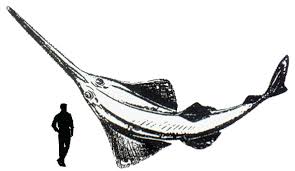
Onchopristis was a giant sawfish which lived in the waters of Africa.

It could grow up to 8 metres long,

about 8 times taller than a normal human.

Although it is an ocean dwelling fish,

fossil evidence suggested that,

like salmon,

schools of Onchopristis would migrate into

freshwater rivers in the mainland to breed.

There they would lay their eggs

and they would be safe from

the big predators.

Onchopristis’ most feared predator is Spinosaurus,

as you can see here.
Sinornithosaurus

article-0-07AC7E83000005DC-802_634x467imgres

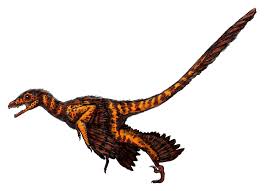
Sinornithosaurus was a deadly predator living in the late Cretaceous period.

Like its prey Microraptor, it could glide with feathers on its wings

yet on its legs, but Sinornithosaurus was far different

from any other dinosaurs…

Evidence from a recent study shows that

Sinornithosaurus had groves on its teeth like a Gila monster,

used for injecting poison into its prey.

Also, scientists have even located where the venom sacs were.

This was revelutionary, because nobody had

seen a dinosaur which could use poison to kill!

Heres a video showing a Sinornithosaurus having an easy kill.

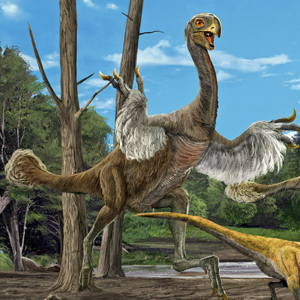
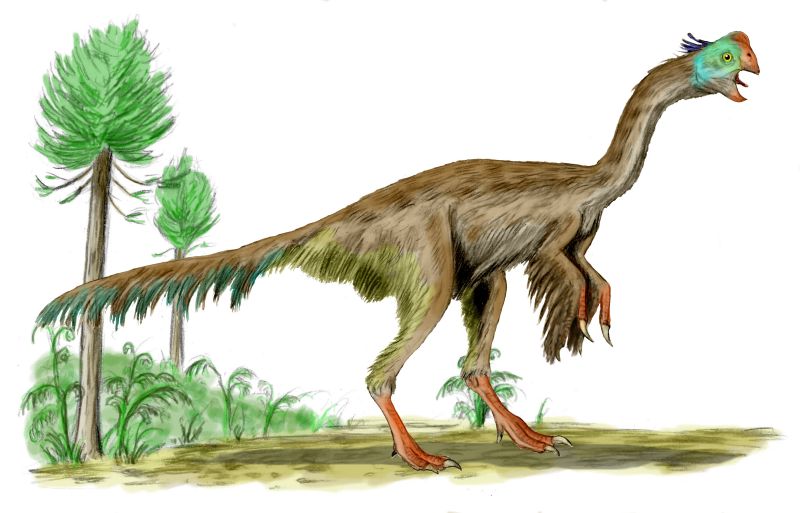
Gigantoraptor

20070614_gigantoraptorGigantoraptor_BW

Gigantoraptor was the biggest raptor,

and was similar to Archeopteryx and Velociraptor.

It was discovered by Chinese paleontologist Xu Xing

on April in 2005, in Inner Mongolia.

Gigantoraptor looks like Oviraptor,

but Gigantoraptor mostly stays near its nest,

keeping a watchful eye over its eggs.

Gigantoraptor seems, safe in the deserts of Mongolia,

but around once a month, there are

sandstorms which bury them alive.

Like most birds, male Gigantoraptors are

more colorful than females,

in order to attract females.

Here’s a video featuring a Gigantoraptor

defending its nest:

Komodo Dragons

komodo-dragon-eating-fishimgres-1

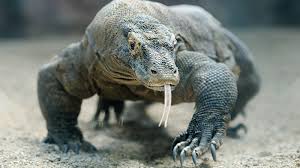
The Komodo dragon (Varanus komodoensis), also known as the Komodo monitor,

is a large species of lizard found in the Indonesian islands

of Komodo, Rinca, Flores, Gili Motang, and Padar.

Komodo dragons hunt and ambush prey

including birds, mammals, and invertibrates.

Mating begins between May and August,

and the eggs are laid in September.

Females lay an average of 20 eggs a year.

Baby Komodos mature in 8-9 years,

after they are born in April.

Komodos are estimated to live for 30 years.

Komodo Dragons live in groups, so they hunt very efficiently.

Here is a video about Komodo Dragons.

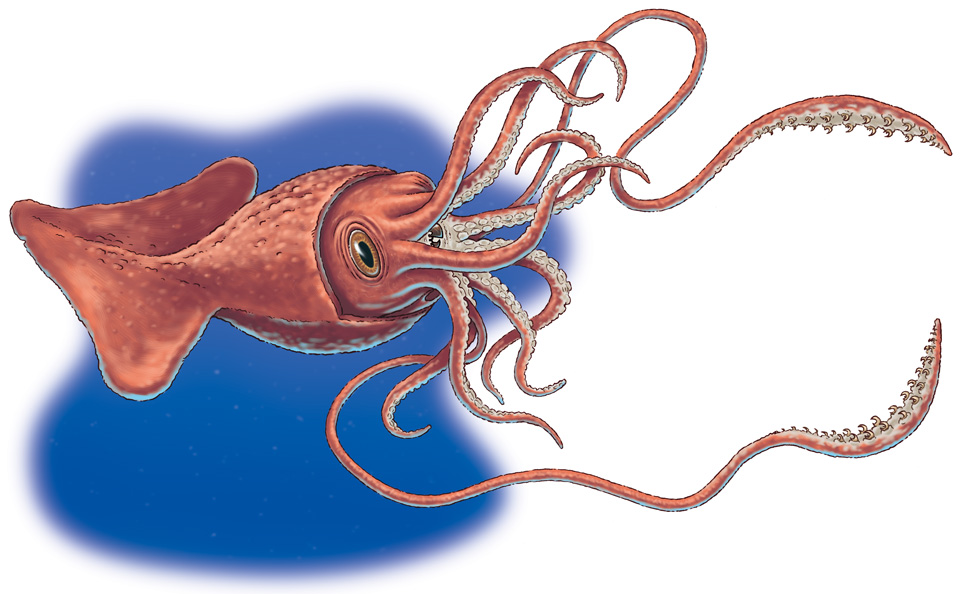
Colossal Squid

Calmarcolossal Colossal-Squid

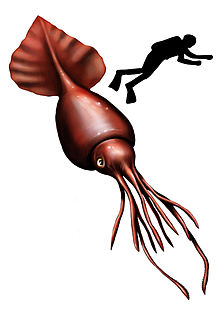
The Colossal squid has the biggest eye of all animals.

It lives in cold waters such as near new zealand and Antarctica,

and even the very south of Africa. ( that is why I put it in the polar region

category.)

The ends of the tentacles feature extremely sharp hooks.

They also have a longer mantle than most types of squid out there.

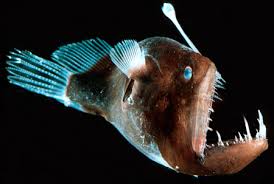
Strangely, the female is bigger than a male colossal squid,

like an anglerfish.

Female anglerfish

Female anglerfish

Male anglerfish

Male anglerfish

We believe that they are loners in the water and

that they eat large volumes of food daily.

Here is a video about colossal squids

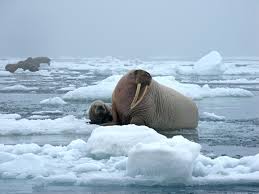
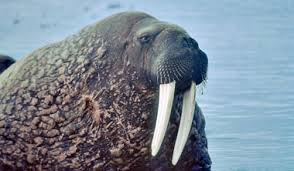
Walrus

images-3 images-2

The walrus is a large flippered marine mammal with a pair of a foot long tusks.

Adult walruses are easily recognized by their prominent tusks, whiskers, and bulkiness.

They can weigh more than 2,000 kg (4,400 lb), and have blubber one inch thick.

Many arctic civilizations hunted the walrus for its tusks, fat, skin, meat, and bone.

During the 19th century and the early 20th century,

the population of walruses dropped rapidly all around the Arctic region.

Since then, the population has risen again, and they are protected.

Here is a vid. showing a very lazy colony of walrus!

Doedicurus

images-1 images

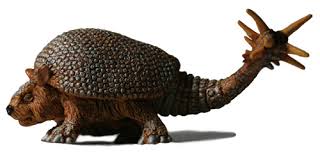
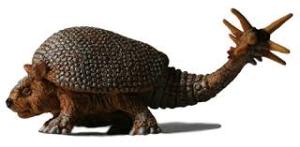
Doedicurus is a extinct armadillo that had four short legs, powerful jaws,

with no teeth in the front and grinding teeth farther back in the jaws.

Doedicurus was about 4m in length, and was 1.5m tall.

Its worst enemies were saber-toothed cats and borhyaenids.

Doedicurus had a long tail with a club on the end like ankylosaurus.

Here is a tribute to the giant armadillo of the ice age.

Baluchitherium

fc039622208a139543362f8dc989c852images

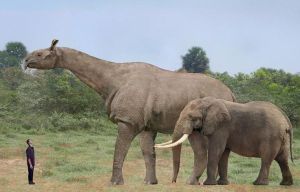
Indricotherium is a large, extinct, hornless rhinoceros.

Adults were 18 feet tall, and weighed up to 18 tons.

It had four teeth; two tusk-like front teeth in the top jaw,

pointing down and two on the bottom pointing forwards.

This herbivore ate leaves and twigs from the tops of trees.

This spectacular creature had three toes on each foot.

They are also known as Indricotherium or Paraceratherium.

Here is a vid. about Baluchitherium!

Sea Snakes/coral reef snakes/Hydrophiinae

imgresimgres-1

Sea snakes are venomous snakes that cannot walk/slither on land

Sea snakes adapted to the ocean and learned how to swim and hunt for eels and other fish.

Unlike fish, they do not have gills and must surface regularly to breathe.

the warm tropical waters of the Indian Ocean and the western Pacific Ocean,

with a few species found well out into Oceania.

Despite their marine adaptations, most sea snakes prefer shallow waters near land,

around islands, and especially somewhat sheltered waters, as well as near estuaries.

Here is a video showing a sea snake swimming.

Yawunik kootenayi

image_2639_1-Yawunik-kootenayiimage_2639_2-Yawunik-kootenayi

Yawunik kootenayi is a newly discovered

marine animal which lived 508 million years ago.

Scientists think that this was the first arthropod.

On the top right there is a picture of

a fossil of Yawunik kootenayi.

In myths Yawunik is a creature living in the water,

Killing everything in its path.

On the top left there is a picture of

what scientists think it looked like.

Here is a video showing animations of

what scientists think it looked like.